Danielle Groeneweg

Whatcom County Razz Fest

Razz-Fest-600x600

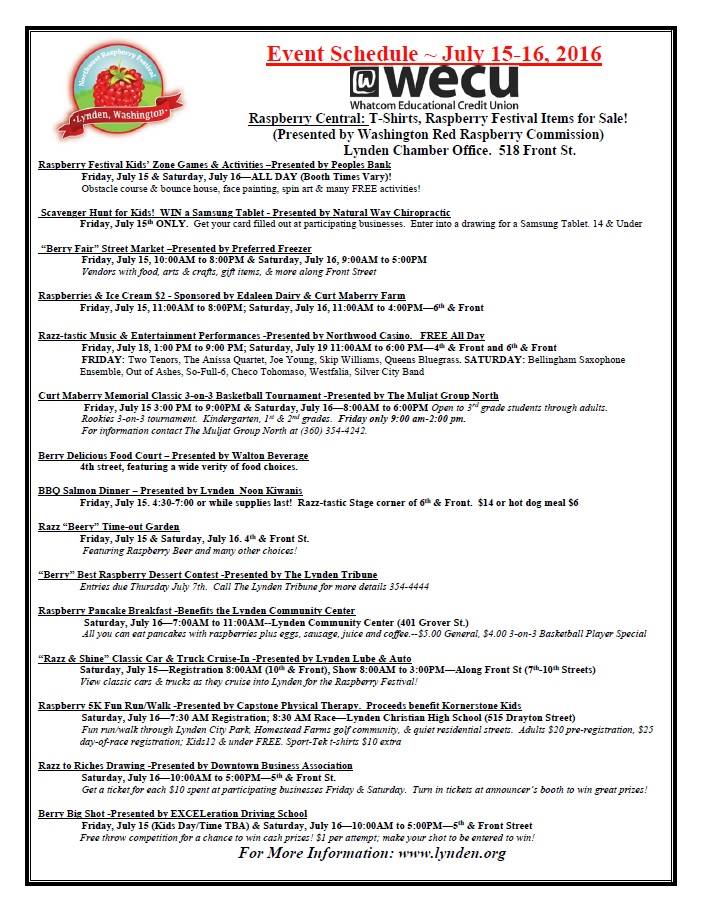
Hope everyone is able to make it to the Northwest Raspberry Festival! It is a great community event in Lynden that happens today and goes on all day Saturday. Below I have attached the schedule for all the events. Don’t forget the Curt Maberry 3on3 basketball tournament will be going on most of the weekend. My office does put together the basketball tournament so you can catch me helping out under the Bracket Tent. If you do come to the festival, please stop by and say hi. Hope you all can make it!

Razz-Fest-schedule

Starter Home vs Forever Home

h-st-600x450

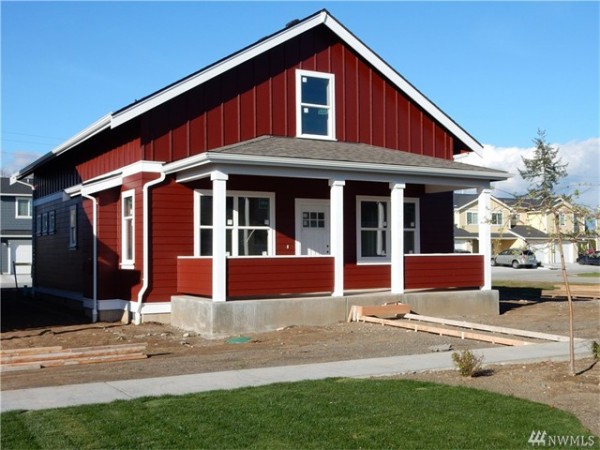
Were any of you able to read my blog a couple weeks ago about why it is important to buy your first home at a young age? If not, I hope you take the time to read it. This article is some what of a continuation. I want to talk about the importance of starting off buying a Starter Home vs. buying your Forever Home. I know a lot of us spend hours on Pinterest looking at pins of beautiful homes with massive kitchens and master bedrooms. Ideally though, your first home will probably not be your dream home. Like I mentioned in my past blog, the average home owner moves out of their first home in 3-5 years. It’s more important to get your foot in the door, AKA in real estate, build up your equity so you can make some money off of your investment which can help put you into your second home which might even be your forever home. I wanted to share a great article from Realtor.com, written by, Margaret Heidenry that explains the idea of Starter Home or Forver home. Please read on and let me know what you think. Article was taken from here.

“House hunting can feel like a never-ending series of choices. Apartment or home? City or suburbs? One story or two? Carpeting or wood floors? But if there’s one question that really keeps buyers up at night, it’s the one they must ask themselves straight out of the gate: Should I buy a starter home or a forever home?

In the past, there was no question: First-time buyers were nearly always steered toward smaller, more affordable homes to build equity (and credit). Established homeowners were pointed toward abodes that could accommodate a larger family—and, eventually, visits from adult children and their kids. But that’s all been turned on its head now.

In fact, a new study by Bank of America found that 75% of first-time buyers plan to bypass a starter home and splurge on a house that will serve them for the long haul. Meanwhile, retirees are increasingly eager to jettison the hassles of a huge family home, opting instead for smaller digs.

So which is right for you? Here are some questions to ask yourself to help point you in the right direction.

Where am I in life?

Every home search is different, but identifying your current stage of life will help narrow your focus, says Maria Babaev of New York’s Douglas Elliman. Just remember, life stages aren’t necessarily dictated by age anymore. A millennial could be looking to start a family and settle down for the long term, while a middle-aged couple without kids might prefer to pioneer a neighborhood with a starter home. So take any advice you might hear about what type of home is “appropriate” for your age with a huge grain of salt. A truckload of salt! Instead, home in on what feels right for you.

What type of home will fit the way I live today?

Don’t buy mainly for the future, say Jessica Peters and Stephanie O’Brien of the Peters-O’Brien Team of Douglas Elliman. While you may have a preconceived idea of where you’ll be in five years, remember that life’s favorite pitch is the curveball. (The knuckleball also seems to be a specialty.) Be realistic—you may be ready to decorate your dream home, but the cold hard fact is that most people move 11.4 times in their lifetime.

Babaev says a starter home is a better bet for those buyers whose lives are “constantly shifting.” This means people who change jobs often, get relocated, or have a growing family. Other starter-home candidates include anyone with frequent changes in finances or tastes that tend to fluctuate. But if you’re a buyer looking for “an enduring lifestyle and sense of community” instead of just a roof over your head, Babaev puts you in the forever home category.

How much can I afford?

Bottom line: The amount of down payment you can afford will help you decide between home types.

“Starter homes typically have a lower home price value, meaning your down payment will likely be less than that of a forever home,” says Ray Rodriguez, regional mortgage sales manager at TD Bank. When eyeballing your finances, remember to look beyond your estimated mortgage payment and figure in other monthly costs such as utilities, homeowners association fees, cable, and internet. And when in doubt, don’t stretch past what you can afford, since you never know what could be coming around the corner.

Do I want to make a big profit on my home once I sell?

Consider the investment aspect of your decision when choosing between a starter or forever home. If you’re not looking for a huge return on investment and can afford a property priced at the top of the market, a forever home is in your sights. Forever homes “are generally occupied for much longer periods of time, versus a starter home,” says Peters. And while a dream home will typically hold its value, it will take longer to drastically appreciate. But if you’re hoping to make a tidy profit on your house in the foreseeable future, go for a starter home. Just remember that, according to Peters and O’Brien, the payoff timeline is likely five years.

Might I like to be a landlord one day?

One thing to keep in mind with a starter home is that even when it no longer suits your needs, it could be someone else’s dream rental.

“One of the great benefits of a starter home is the opportunity to turn it into a rental property down the road,” says Rodriguez. But first do a gut check to make sure you can handle being a landlord (i.e., vetting tenants and managing maintenance). If so, investing in a starter home that can become a rental property could turn into a great source of added income later in life. Better yet, put the extra dollars from a rental toward the eventual purchase of your forever home”

I hope this helps clarify whether it is a better decision for you to buy a starter home or a forever home. Sometimes you don’t know until you start looking at homes in person and realize that the home you’ve been dreaming of it just not in your price range. If you are ready to either take a leap into real estate or are thinking about selling your starter home please contact me. I would love to help you not matter what stage you are at.

Thanks for reading.

Why it’s smart to buy your first home when you’re YOUNG

red-600x450
In the time I’ve been in real estate, I’ve helped countless first time buyers get into the market. It is honestly my favorite part of my job. During the process of helping them find their first home, buyers are often faced with needing to compromise on their wish list in order to reconcile what they can afford with what the market has available. My advice most of the time is, “this is your first home, the average buyer owns their first home for 3-5 years, so think of this as more of an investment.” How does this relate to being young? Well, if you buy your first home when you are say 21, you will most likely sell for a profit (of course depending on the market trends) in 3 years +/- and buy your second home (which will be nicer and worth more $). Say in another 5 years or so you sell and buy again (you are now around 29/30 years old) and may very well be in your forever home. The one you wanted when you were 21. It does take time to see a return when you invest in real estate, but it is very much a solid bet in the long run. Right now the average buyer who bought 3 years ago is seeing a return on their investment of at least $30,000. That’s not bad for just buying a home. No matter what age you start your ‘smart’ investment in real estate, just know that it is usually 2 houses later until you are in your dream home. That’s why I say it’s smart to buy your first home when you are YOUNG!

*please note, this is an opinion piece based on my experience only. I am not claiming any of it to be fact

Thanks for reading!

Happy Memorial Day

2016-05

Image from : http://www.wheniscalendars.com/when-is-memorial-day-2016-2017-2018-2019-2020/

I hope everyone has a great Memorial Day & long weekend. I’m sure lots of you or either camping, spending time with family & friends or trying to get some home projects completed. I encourage you to take some time on Monday and just reflect on what the day is really for.

Thanks for reading!

Vacant Land in Custer

dawn-ln-3-600x450

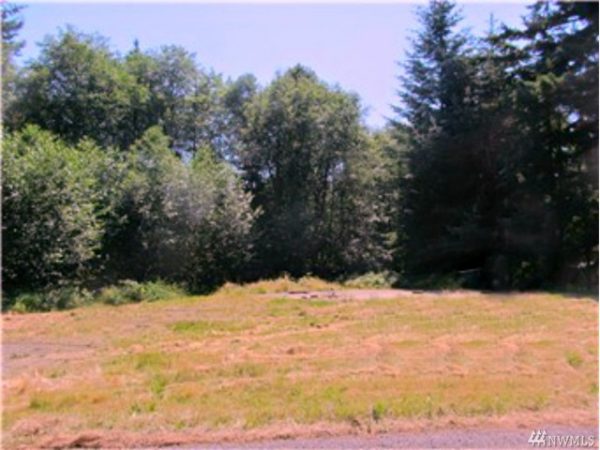
2765 Dawn Ln, Custer

Priced at ~ $74,000

Ready to build 3/4 Acre Parcel in quiet mid-county location! Everything already prepped for your new manufactured home. With a 24’x48′ pad site, 3 bedroom septic installed & community well; most of the preliminary work has been done for you. Beautiful and peaceful setting awaits your final touches.

Brand New Listing In Blaine!

H-St-600x450

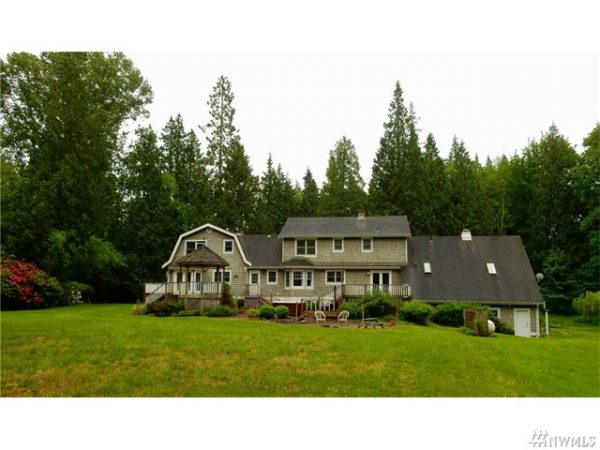
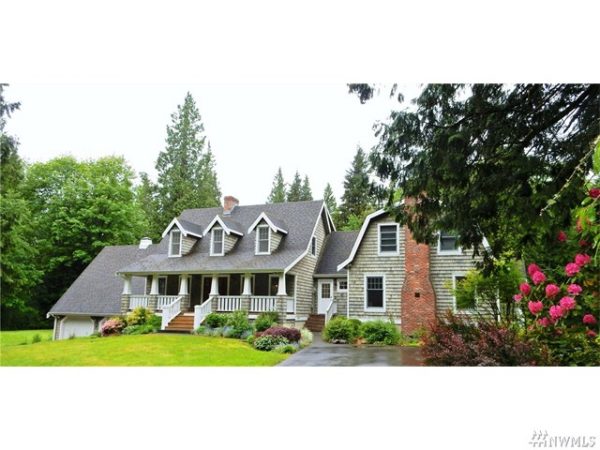
H-St-2-600x450Welcome to 3750 H St Blaine, WA

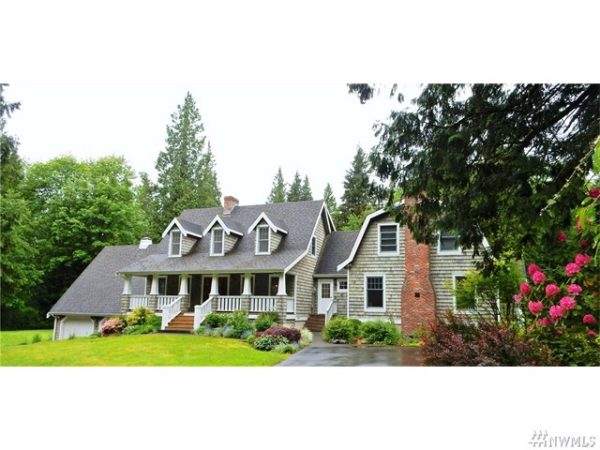
Priced at $699,900

Private park-like estate with 2 beautifully appointed & spacious homes under one roof offers countless possibilities. Perfect for potential B&B or in-law home. Immaculate home & ADU both feature gorgeous wood floors, spacious living areas, loads of sunlight. Main home boasts master with ensuite & update kitchen. Peace & quiet abounds on this 5 Acre property ~ pond, hot tub, gazebo, 2 outbuildings & endless woods to discover. Only mins from I-5, yet entirely secluded, you’ll never want to leave.

Brand New Bellingham Listing!

910 GladstoneBRAND NEW LISTING!

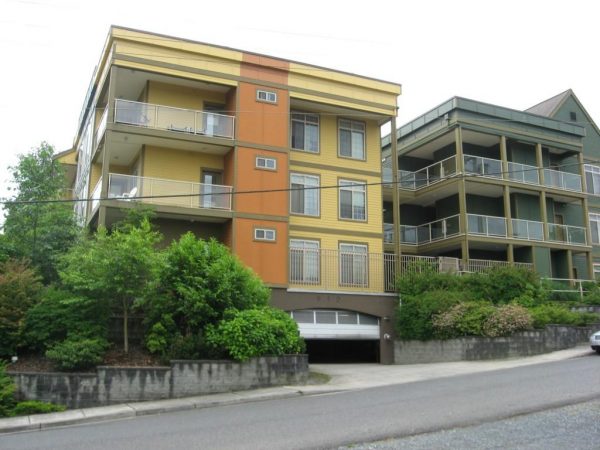
Welcome to 910 Gladstone St #101, Bellingham

Priced at $189,900.

This affordable CORNER ground floor condo in Lincoln Creek condominiums is in a great location just off Lakeway. Trendy and newer, this 3 bedroom, 2 bath condo features a courtyard with fountain & plaza, ELEVATOR, secure underground parking, and exterior deck. Nicely finished interior includes fully trim-wrapped windows, tall ceilings, open plan kitchen with eating bar & stacked washer/dryer in unit. Perfect Investment!

Feel free to call me if you have any questions or want to take a look in person.

Thanks,

Danielle

Open House Weekend!!

North Prairie Cottages

North Prairie Cottages

OPEN HOUSE WEEKEND!!

Please stop by either this Saturday April 16 from 11:00-1:00 or Sunday April 17 2:00-4:00.

Two Homes to tour at North Prairie Cottages.  BRAND new affordable single family home. Built w/luxury in mind, this new low maintenance cottage features vinyl plank wood flooring, open concept floor plan, main floor master w/full ensuite & walk in closet. Kitchen boasts gorgeous granite counters, tons of tall white cabs, w/in pantry & island. At the North Prairie Cottages community, enjoy easy living w/shared greenbelt, irrigation, worry-free landscaping & future clubhouse. Call for details about this lovely community.

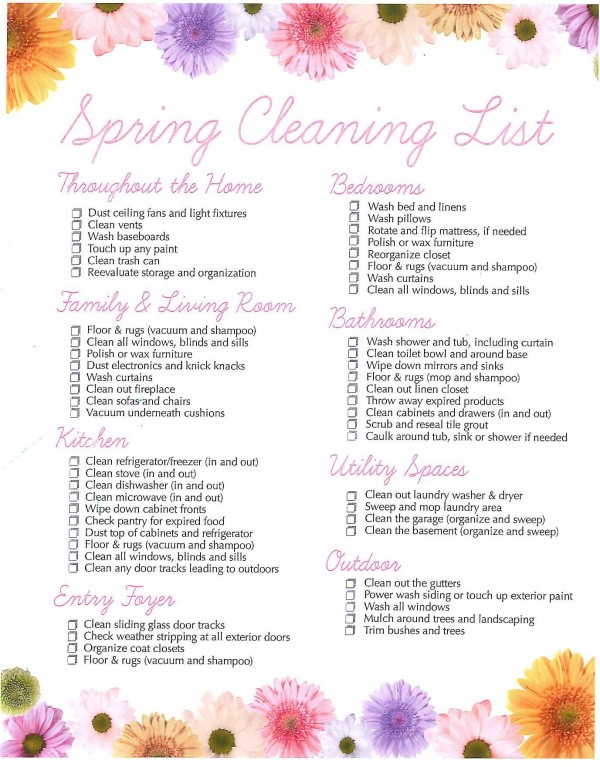
Spring Cleaning Checklist

Can you believe it is already APRIL? I know Spring officially started in March but it finally feels like Spring because of all the beautiful weather we have been having.  I found this great Spring Cleaning Checklist here that I wanted to share.

spring-cleaning-list-600x767

If you are really feeling motivated I challenge you to complete every item on the list. Otherwise just pick a few from each category to try and complete. Good Luck and let me know how it goes! Click on the link to get the free printable version of this checklist.

Thanks for reading.

What is included in Closing Costs?

It is a very common questions I get from buyers, ” What are the closing costs?”. I thought it would be a good idea to include a very generic list of some items that may be included in your closing costs, an estimate as to what they will be and also what that money is going towards. I do want to stress the cost is different for every transaction and will depend on the home you are purchasing among other factors.

I ran across this awesome list on Zillow.com. The full list can be found here. **I didn’t include everything on the list that Zillow has on their website.**

  • Appraisal (up to $450) – This is paid to the appraisal company to confirm the fair market value of the home.
  • Credit Report (up to $30) – A Tri-merge credit report is pulled to get your credit history and score.  You cannot supply your consumer pulled report and the scores pulled form the internet from any place other than myfico.com are not real scores nor are they accurate.
  • Closing Fee or Escrow Fee (generally calculated a $2.00 per thousand of purchase price plus $250) – This is paid to the title company, escrow company or attorney for conducting the closing. The title company or escrow oversees the closing as an independent party in your home purchase. Some states require a real estate attorney be present at every closing
  • Title Company Title Search or Exam Fee (varies greatly) – This fee is paid to the title company for doing a thorough search of the property’s records. The title company researches the deed to your new home, ensuring that no one else has a claim to the property.
  • Survey Fee (up to $400) – This fee goes to a survey company to verify all property lines and things like shared fences on the property.  This is not required in all states.
  • Flood Determination or Life of Loan Coverage (up to $20) – This is paid to a third party to determine if the property is located in a flood zone. If the property is found to be located within a flood zone, you will need to buy flood insurance. The insurance, of course, is paid separately.
  • Lender’s Policy Title Insurance (Calculated from the purchase price off a rate table. Varies by company) – This is insurance to assure the lender that you own the home and the lender’s mortgage is a valid lien. Similar to the title search, but sometimes a separate line item.
  • Owner’s Policy Title Insurance (Calculated from the purchase price off a rate table. Varies by company) – This is an insurance policy protecting you in the event someone challenges your ownership of the home.
  • Homeowners’ Insurance ($300 and up) – This covers possible damages to your home. Your first year’s insurance is often paid at closing.
  • Escrow Deposit for Property Taxes & Mortgage Insurance (varies widely) – Often you are asked to put down two months of property tax and mortgage insurance payments at closing.
  • Transfer Taxes (varies widely by state & municipality) – This is the tax paid when the title passes from seller to buyer.
  • Recording Fees (varies widely depending on municipality) – A fee charged by your local recording office, usually city or county, for the recording of public land records.
  • Processing Fee (up to $1,000) – This goes to your lender. It reimburses the cost to process the information on your loan application.
  • Underwriting Fee (up to $795) – This also goes to your lender, covering the cost of researching whether or not to approve you for the loan.
  • Loan Discount Points (often zero to two percent of loan amount) – “Points” are prepaid interest. One point is one percent of your loan amount. This is a lump sum payment that lowers your monthly payment for the life of your loan.
  • Pre-Paid Interest (varies depending on loan amount, interest rate and time of month you close on your loan) – This is money you pay at closing in order to get the interest paid up through the first of the month.
  • Property Tax (usually 6 months of county property tax)
  • Wood Destroying Pest Inspection and Allocation of Costs – If required by the lender or buyer, the inspection generally runs up to $125.00.  Repairs can get expensive if evidence of termites, dry rot or other wood damage is found.  example: Fumigation of a typical 1500 square foot house could run around $2,000.
  • Home Owners Association Transfer Fees – The Seller will pay for this transfer which will show that the dues are paid current, what the dues are, a copy of the association financial statements, minutes and notices.  The buyer should review these documents to determine if the Association has enough reserves in place to avert future special assessments, check to see if there are special assessments, legal action, or any other items that might be of concern.  Also included will be Association by-laws, rules and regulations and CC & Rs.  The fee for the transfer varies per association ,but generally around $200-$300.

Again, I want to remind you that the costs will be different in every transaction and this list is just to give you a better idea of what might be included at closing. Please call me if you have any questions about closing costs.

Thanks for reading.